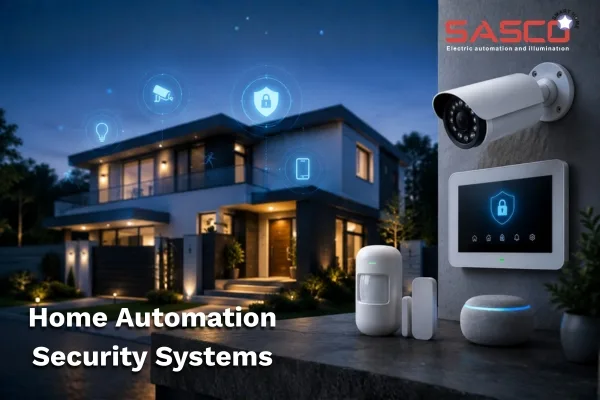
Most people realise their home security has a gap only after something happens. A missed delivery that wasn’t a delivery. A gate left open. A notice that someone was on the property while you were away. Home automation security systems don’t wait for the incident — they’re watching before it happens, alerting you in real time, and locking things down automatically while you’re still figuring out what’s going on.
That’s the actual difference between a camera on a wall and a properly set up security automation system. One records what happened. The other responds while it’s happening.
What Is Security Automation?
Security automation is connected hardware and software working together to protect your home without you having to manage it manually. Sensors detect. The hub processes. Actions happen automatically — an alert on your phone, a lock engaging, lights turning on, a camera starting to record.
You set the rules once. After that, the system runs them for you.
It’s not the same as a standalone alarm or a single camera. The difference is coordination. A motion sensor that triggers your outdoor lights, sends a notification, and starts recording simultaneously is a different thing from three separate devices doing their own jobs in isolation.
How Home Automation Security Systems Work
Home automation security systems run on three layers.
Detection — sensors and cameras monitoring your home continuously. Door and window contacts, motion detectors, glass break sensors, smoke and gas detectors. Each one watches for a specific change and reports it instantly.
Processing — the central hub receives that data, matches it against the rules you’ve defined, and decides what to do next. Modern hubs run on Wi-Fi or Zigbee with cellular backup, so they stay connected even if someone cuts the broadband.
Response — whatever you’ve set up to happen. A push notification. An alarm. Outdoor lights activating. The front gate locking. A call to a monitoring centre. The response is yours to configure — the system executes it.
The value isn’t any single device. It’s that everything works together. In a secure automation setup, a camera that records and sends an alert and triggers lighting simultaneously is significantly more useful than three devices doing those things separately with no connection between them.
Features of Modern Home Automation Security Systems
Real-time alerts. Your phone gets notified the moment a sensor triggers — whether you’re upstairs or on the other side of the country.
Remote access. Arm and disarm the system, check live camera feeds, lock or unlock doors, and review sensor logs from anywhere with an internet connection.
Geofencing. The system knows when you’ve left the house and arms itself. It knows when you’re back and disarms. You stop thinking about whether you forgot to set the alarm — because it sets itself.
Access logs. Smart locks record every entry — who came in, at what time, and with which credential. Useful for homes with domestic staff, regular deliveries, or elderly family members living alone.
Smart lighting integration. Motion-triggered lights at entry points are one of the most effective deterrents available. They’re also practical — no more walking into a dark driveway.
Environmental monitoring. A secure automation setup covers more than intrusion. Smoke detectors, LPG gas sensors, and water leak detectors feed into the same hub and alert you the same way — one dashboard, all hazards.
Voice control. Compatible with Alexa and Google Home if that’s how your household already works.
Benefits of Security Automation
It runs without you. The system doesn’t need you to check it, arm it, or follow up on alerts from minor triggers. You only hear about what actually needs your attention.
Response speed. An automated alert reaches you in seconds. That’s not possible with any manually operated setup.
Deterrence before incidents. Visible cameras, motion lighting, and smart locks put off opportunistic intrusions before they become actual problems. Most of the time, the deterrence is doing more work than the recording.
Verifiable records. Timestamped footage, access logs, and sensor activity give you real evidence — for insurance claims, disputes, or just peace of mind about what’s actually happening at home.
Remote visibility. You can check whether children got home, whether a parcel was delivered, whether the house is locked — without calling anyone or going home to check.
Types of Security Automation Systems
Intrusion detection — Motion sensors, door and window contacts, and glass break detectors form the perimeter layer. When something triggers in armed mode, the hub responds according to your rules.
Video surveillance — IP cameras with night vision, motion detection, and local or cloud storage. Modern systems filter out false alerts from animals and vehicles, so you’re not getting dozens of useless notifications a day.
Smart access control — Smart locks, video door phones, and intercom systems replace keys with PIN codes, RFID cards, fingerprint, or app-based entry. Every access event is logged. Permissions can be granted or removed remotely, immediately.
Alarm panels — Wired or wireless panels that integrate with sensors and connect to a monitoring centre if you want professional response backup. Cellular communication keeps the panel working if the broadband is disrupted.
Environmental sensors — Smoke, gas, carbon monoxide, and water leak detection running through the same system. One app, all alerts.
Applications of Home Security Automation
Houses and villas — Full perimeters secured by cameras, motion lights, electronic locks, and alarm systems. Especially helpful for travelers or those with vast property that cannot be constantly monitored manually.
Apartments — Electronic locks for the main door, a video door phone system, and inside sensors that protect the actual security surface without installing a complete perimeter system.
Vacation homes and rental properties — Limited-time access keys, remote monitoring, and keyless guest entry. You control all of the settings remotely without having to be physically present.
Homes occupied by seniors — Motion sensors and door sensors to notify relatives if daily routines appear unusual in the morning hours. Remote viewing through cameras without any intrusion.
Home offices — Distinct access control for the office, security cameras on the equipment, and alerts sent if someone enters the office space during non-business hours.
How to Choose the Right Security Automation System
Start with your entry points. List every door, window, gate, and access route before you look at any hardware. The system should cover your actual vulnerabilities, not a generic template.
Self-monitored or professionally monitored? Self-monitored means alerts go to your phone and you decide what to do. Professional monitoring means a response centre verifies alerts and can dispatch help. Both work — it depends on how quickly you can realistically respond yourself.
Check compatibility if you already have a smart home. Adding secure automation to an existing system should extend it, not create a second parallel setup. Confirm devices are compatible with your current hub before buying.
Wired versus wireless. Wired is more reliable. Wireless is easier to retrofit. For new construction or full renovations, go wired for critical devices. For existing homes, wireless works well for most sensors.
Build in scalability. Don’t spec a system that maxes out on day one. Start with cameras at entry points and smart locks on main doors, and make sure the platform can expand as your needs change.
Why Choose Sasco Smart Homes
SASCO designs and installs home automation security systems across Delhi and NCR — starting with a proper site assessment before recommending a single device. The layout of the property, the entry points, the existing infrastructure, the way the household actually operates — all of that shapes the system design.
The hardware isn’t what separates a good installation from a frustrating one. It’s the configuration. A secure automation system that’s correctly set up and properly integrated works reliably without constant attention. One that’s assembled without a clear plan generates false alerts, has gaps in coverage, and needs ongoing troubleshooting.
SASCO handles the full scope — cameras, smart locks, alarm panels, sensors, hub integration, and support after handover. For homeowners who want professional-grade security without managing it themselves, that end-to-end accountability is the point.
Conclusion
Home automation security systems work best when they’re invisible. The cameras run. The sensors monitor. The locks respond. And you only hear about it when something actually needs your attention.
Getting there requires the right system, correctly installed. SASCO Smart Homes does the assessment, builds the right setup for your property, and stays available after the job is done.