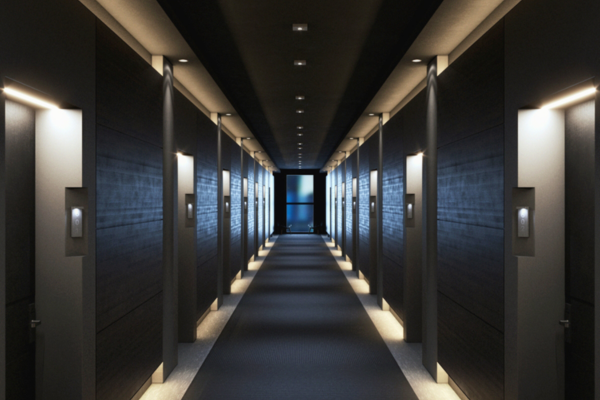
Have you ever walked into a room and just felt calm instantly, or how restaurants make you want to sit longer because of their ambiance? That is not magic; it is architectural lighting at work.
Many people assume that turning on a light is just a matter of flipping a switch. However, without proper illumination, you risk making your fabulous space feel cheap, creating eye strain or headaches from long hours working under improper conditions, as well as negative energy from not being aware of how your environment impacts you emotionally. For homeowners who are planning renovations and business owners wishing to create the ideal atmosphere, knowledge of architectural lighting can result in huge savings and will change how people interact with your environment altogether.
We can illustrate the way strategic lighting design will enhance our everyday lives through aesthetic appeal while eliminating the problems discussed above.
What is Architectural Lighting?
Architectural lighting is both an art and a science; in essence, it is the application of light in order to improve the appearance of a building and thereby provide greater utility. Although light serves the purpose of providing visual access to the interior of buildings, it has a greater purpose: The creation of a positive experience for those that occupy the building.
Architectural lighting design should utilize technology, design functionally, and artistically to create an optimum blend of both worlds – aesthetically pleasing yet functionally adequate & safe access with a unique atmosphere. When designed correctly, Good airport lighting also enhances or promotes the best features of an environment (i.e., a warm, comfortable living room, professional corporate office, etc.).
Why Light and Space Architecture Matters?
The thing that is interesting about light is that, indeed, it affects our perception of space. Small rooms can seem open with the right kind of lighting, while large rooms might feel confined when poor choices are made.
Light and space architecture is about understanding this relationship. It examines how natural sunlight streams through the window during different parts of the day and, where it does not, the way in which artificial lights fill up those gaps. How light bounces off walls, creates shadows, and defines corners makes a space either warm or uncomfortable.
The smart designer uses both natural and artificial lighting together to create an environment that is balanced throughout the day.
The Building Blocks: Components You Need to Know
Every well-lit space uses four main kinds of lighting:
Ambient Lighting provides the general illumination-think ceiling fixtures that light up an entire room. It’s your foundation.
Task Lighting is designed for certain activities. Examples of this would be your desk lamp, lights over the kitchen counter, or reading nook fixtures. They allow you to comfortably work and avoid eye strain.
Accent Lighting is the showstopper, and it draws out any piece of artwork, design element, or special feature that one may want to attract eyes to by adding depth and visual interest.
Decorative Lighting adds personality: the pretty fixtures themselves, from chandeliers to unique pendants or statement pieces that double as art.
Techniques to Create Visual Magic
Professional architectural lighting design utilizes an array of effective methods, including:
Wall washing gives even light over the walls for an effect of making rooms appear larger and open. This could be great for galleries or modern minimalist spaces.
Grazing enhances the physical characteristics of materials such as brick and stone through sharply angled lighting which helps give depth and drama to the material’s texture.
Uplighting illuminates upward creating an impression of enormous ceiling heights thereby creating a visually more substantial space. Uplighting is often found in hotels and upscale restaurants.
Downlighting also creates a general level of illumination from the ceiling, similar to natural daylight, and is a very practical, comfortable, and straightforward way to generate a source of light for everyday activities.
Cove lighting utilizes recessed architectural spaces to conceal fluorescent lighting fixtures while providing indirect soft light that creates a more stylish and sophisticated atmosphere.
Backlighting creates stunning silhouettes and highlights shapes, often used behind translucent panels or artwork.
Each of these lighting techniques provides unique solutions to individual lighting requirements, and the various methods may be combined to create layered and flexible lighting.
Ease Your Life with Technology
Technology has transformed modern architectural lighting design by making all systems more energy-efficient and user-friendly.
Now, LEDs dominate, using much less energy, they stay on for years longer, and do not produce that much heat. The result is your electricity bills drop, while maintenance headaches disappear.
Get smart lighting systems that will allow you to control everything with just your phone. Program lights to turn on before you come home, dim them for movie nights, or adjust brightness from the couch without leaving it.
Smart white light can change color temperature throughout the day and support your natural body rhythms. Cool light in the morning helps wake you up, while the warmer tones in the evening help you relax.
Color-changing systems, RGB/RGBW, unlock creative opportunities both for business and homeowners seeking dynamic environments.
Don’t Forget Natural Light
The best architectural lighting design does not ignore the sun-it embraces it. Free beautiful daylight comes in via windows and skylights, enhanced by reflective surfaces to further reduce energy costs and elevate how people feel.
In fact, studies have proven that natural light improves one’s mood, productivity, and well-being. Intelligent window placement and lighter-colored surfaces help maximize the benefits of this, while artificial lighting fills in the gaps on evening and cloudy days.
Where Architectural Lighting Shines
Approach that works anywhere:
- Layered lighting makes the abode more comfortable, valuable, and responsive to a variety of activities.
- That increases productivity and sales in offices and retail spaces by illuminating workers’ focus and highlighting the products themselves.
- It’s the great variety of experience that brings customers back to restaurants and hotels.
- Museums and other cultural sites shelter these artifacts and display them quite elegantly.
- Building exteriors accentuate architectural features at night, providing curb appeal and safety.
Principles That Guarantee Success
Good architectural lighting design follows these basic principles:
Balance beauty and practicality-your lights need to look good AND serve a purpose. Understand the geometry of your space so that light reaches where it’s needed. Employ contrast and shadows intelligently to create depth, rather than letting dark spots occur by accident. Choose the right fixtures with appropriate beam angles for the proper application. Decide on color temperatures that will create the mood you want; colors should also appear true under your lighting.
Current Trends Worth Knowing
The world of lighting keeps evolving. Human-centric lighting now supports natural body rhythms. Minimalist hidden fixtures create clean, modern looks. Sustainable solutions respond to environmental concerns while reducing costs. Dynamic lighting scenes let you change moods in an instant, and interactive controls put the power at your fingertips.
The Real Benefits You’ll Get
It pays off right away when you invest in proper architectural lighting. Visual comfort increases as eye strain goes down. Your space finds a stronger identity that reflects your style or brand. Energy efficiency reduces monthly expenses. User experience improves, whether you are hosting guests, serving customers, or simply relaxing at home. Property value increases because good lighting is a feature people seek when buying. Lighting is a key element in architectural spaces.
Your Next Step Forward
We strive to continuously provide comfort, functionality, and aesthetic value to your home each and every day and with Sasco Smart Homes, we strive to create environments that allow you to be your best today and every day.
At Sasco Smart Homes, we will work together to design the right architectural lighting solutions that allow you to thrive, by marrying our extensive technical expertise and innovative design vision. We are not just designers of architectural lighting solutions; we build lasting relationships with our customers who will become long-term partners as we provide them with exceptional solutions that help achieve their vision of how their home should be lit up every day. Are you ready to see your space differently?
Contact us to discuss how our architectural lighting design services can solve your specific challenges and help you create the exact environment you wish to experience.