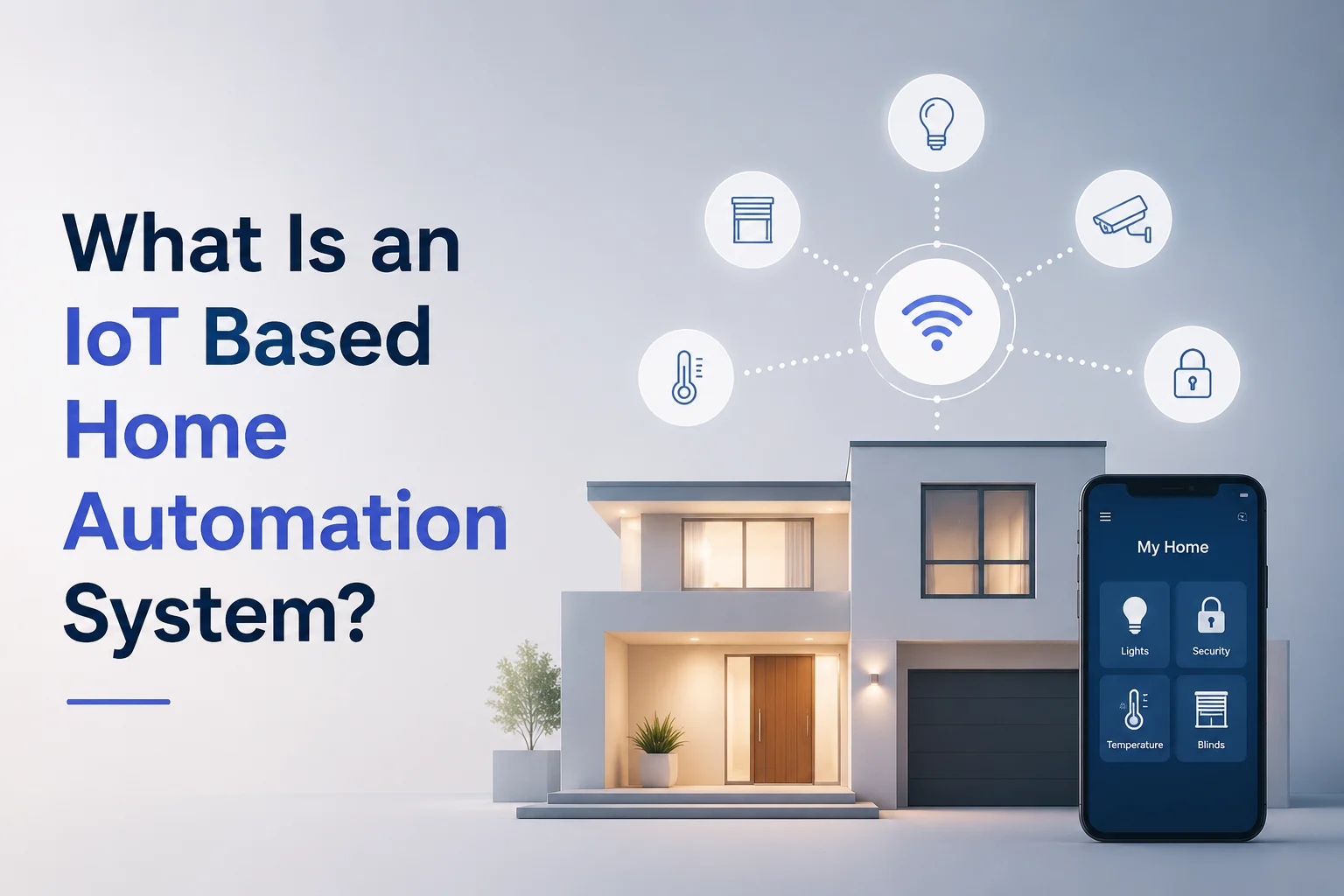
Your walls are hiding a secret. Previously, houses were basically just dumb boxes holding basic electrical wires. Now, those spaces are waking up. They pay attention to your every move. This invisible web of control is exactly what an IoT-based home automation system brings to the table. You probably think this technology belongs exclusively to billionaires. Not at all. Literally, anyone can piece together an IoT smart home right now. In this guide, we will crack open the hidden mechanics of connected living spaces, their real perks, and what property owners must know before spending a single dollar.
Understanding the Internet of Things and Smart Home
An Internet of Things and smart home setup is basically a private group text for your house. Skip the boring tech definitions. IoT just gives your regular appliances a voice to speak up. IoT simply gives ordinary household items a hidden voice. While apps and sensors pull all the invisible strings, devices trade conversations via Wi-Fi, Zigbee, Z-Wave, Bluetooth, or Thread. Today’s connected homes rely completely on this real-time communication instead of gadgets guessing your routine. Market reports even show that nearly 300 million houses globally now feature smart technology.
Working of an IoT-Based Home Automation System
Treat an IoT-based home automation system like a highly trained butler. The architecture requires specific players. Smart devices act as the eyes and ears. A central hub works as the main brain. Throw in an internet connection, a cloud platform, and a mobile application right in your pocket. The data flow happens in a split second. A sensor catches movement, pings the hub, and flips a light switch. Latency must be near zero. Interoperability decides if your thermostat speaks to your fan, while tight security stops hackers. Micro-decisions happen every single millisecond.
Components That Make an IoT Smart Home Intelligent
A single bulb doesn’t make a genius house. True intelligence demands a full crew. You need smart sensors watching for motion. Smart switches replace outdated plastic wall toggles. Smart locks stand guard outside, while intuitive thermostats keep the indoor climate perfectly chilled. Add voice assistants to catch spoken commands and a central automation hub to make sense of it all. When you string Internet of Things and smart home parts together correctly, magic happens. That seamless teamwork creates a real IoT smart home.
IoT Devices for Home Automation You Can Start With
Wondering where to drop your first dollar? You don’t have to buy everything at once. A few choice IoT devices for home automation will completely change how you interact with your space. Lighting automation is the absolute easiest entry point. Follow that up with curtain automation. For peace of mind, upgrade entryways with digital door locks, CCTV integration, and video door phones. Other brilliant starters include motion sensors, leak detection units, and smart plugs. Tossing HVAC control into the mix gives beginners an immediate, noticeable upgrade.
The Objective of Home Automation System Beyond Convenience
Most folks think buying smart gadgets is purely about being lazy. Not quite. The actual objective of home automation system technology stretches way beyond basic comfort. Energy optimization takes center stage by killing power to forgotten appliances. Upgraded security lets you lock the doors and simply forget about them. Your house also monitors its own mechanical health, flagging a struggling unit long before it demands a costly replacement. These setups offer incredible elderly assistance and remote monitoring. Consider a regular morning. You leave for the office, and your house instantly locks the doors. Fulfilling that true objective of home automation system design provides invisible daily protection.
Smart Home Automation Myths
People love to spread wild rumors if the tech is new. The most stubborn myth claims this stuff is reserved for luxury mansions. False. You can upgrade an older property without rebuilding the house. People claim these gadgets can be a total nightmare to handle. Genuinely, modern apps are simple enough for your grandparents to use. Think it costs some fortune? Scalable options let you control the budget. Some panic that an internet failure makes everything useless, but local hubs process commands offline perfectly fine. Understanding the real objective of home automation system mechanics proves these fears are totally fiction.
Smart Home Automation System Project
Taking a wild idea and turning it into a living house takes serious work. A professional smart home automation system project is completely different from a student wiring a lightbulb. Professional planners kick things off with a deep requirements analysis. Next comes the debate between wiring versus wireless setups. Then comes strict device selection to guarantee future scalability. After that, the heavy lifting starts with physical installation, followed by aggressive testing and hands-on user training. Treating your property like a legitimate smart home automation system project saves you massive headaches later.
Why Professional Integration Matters More Than Individual Gadgets
Buying a random assortment of electronics on sale is a recipe for disaster. If you just slap together cheap IoT devices for home automation, you will end up juggling twelve different apps. A highly functional IoT smart home depends on professional ecosystem compatibility and centralized control. Experts build custom automation scenes where pressing one button drops the shades and dims the lights. Professionals lock down your security and stick around for long-term support. You absolutely need all your Internet of Things and smart home gadgets talking on the same wavelength to create a slick IoT-based home automation system.
Why SASCO Smart Homes Is the Ideal Smart Living Partner
Who you hire matters. If you want a flawless smart home automation system project, SASCO Smart Homes is exactly who you call. They design custom connected ecosystems tailored to your exact property. Need smart curtain solutions or security integration? SASCO installs CCTV surveillance, video door phones, and digital door locks. They even set up multi-room audio, home theatre automation, climate control, voice assistants, and smart gate automation. From customized automation planning to installation and after-sales support, they handle absolutely everything. SASCO takes complicated Internet of Things and smart home technology and builds a totally reliable IoT-based home automation system. Throw in a few extra IoT devices for home automation, and your setup is completely golden.
Conclusion
Automated living spaces are quickly becoming the bare minimum for modern real estate. The setup justifies its cost every single morning, making schedules run smoother, keeping doors locked tight, and stopping power waste in its tracks. Picking the right integration crew is just as critical as buying the newest IoT devices for home automation. Hitting the final objective of home automation system design takes sharp vision and technical skill. Executing a proper smart home automation system project requires trusted experts. Reach out to SASCO Smart Homes and claim your perfect IoT-based home automation system today, turning your property into the ultimate IoT smart home.
FAQs
Q: What defines an IoT-based home automation system?
A: It makes your house think for itself. Rather than waiting for you to press a remote, connected devices share data and react automatically.
Q: Which IoT devices for home automation should I buy first?
A: Start with the basics. Smart lighting, digital door locks, and motorized curtains deliver instant results with minimal setup.
Q: What is the main objective of home automation system planning?
A: Comfort is just the surface. The real goal is cutting energy waste, maximizing property security, and preventing costly mechanical breakdowns.
Q: Should I tackle a smart home automation system project alone?
A: Screwing in a smart bulb is fine for DIY. However, tying an entire house together requires a professional to prevent network crashes and secure your privacy.
Q: Will my Internet of Things and smart home setup die without Wi-Fi?
A: No. A true IoT smart home relies on a local hub. Your indoor sensors and switches will continue running perfectly offline.